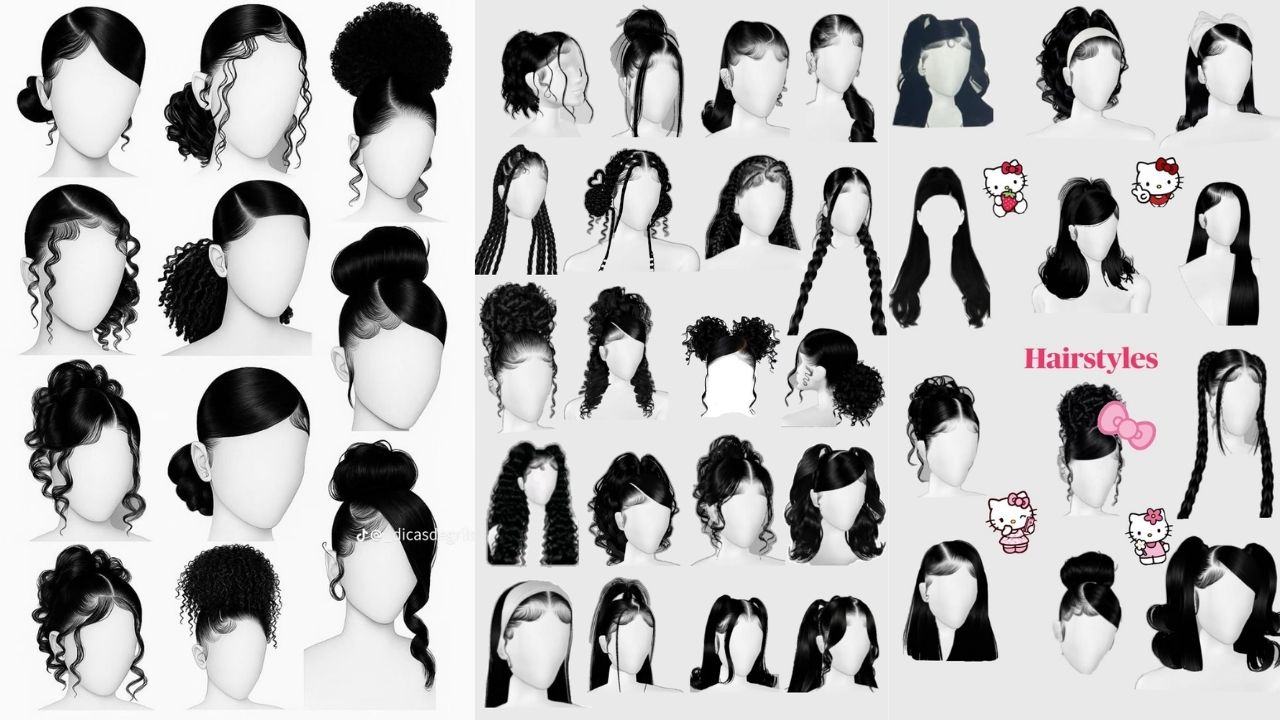



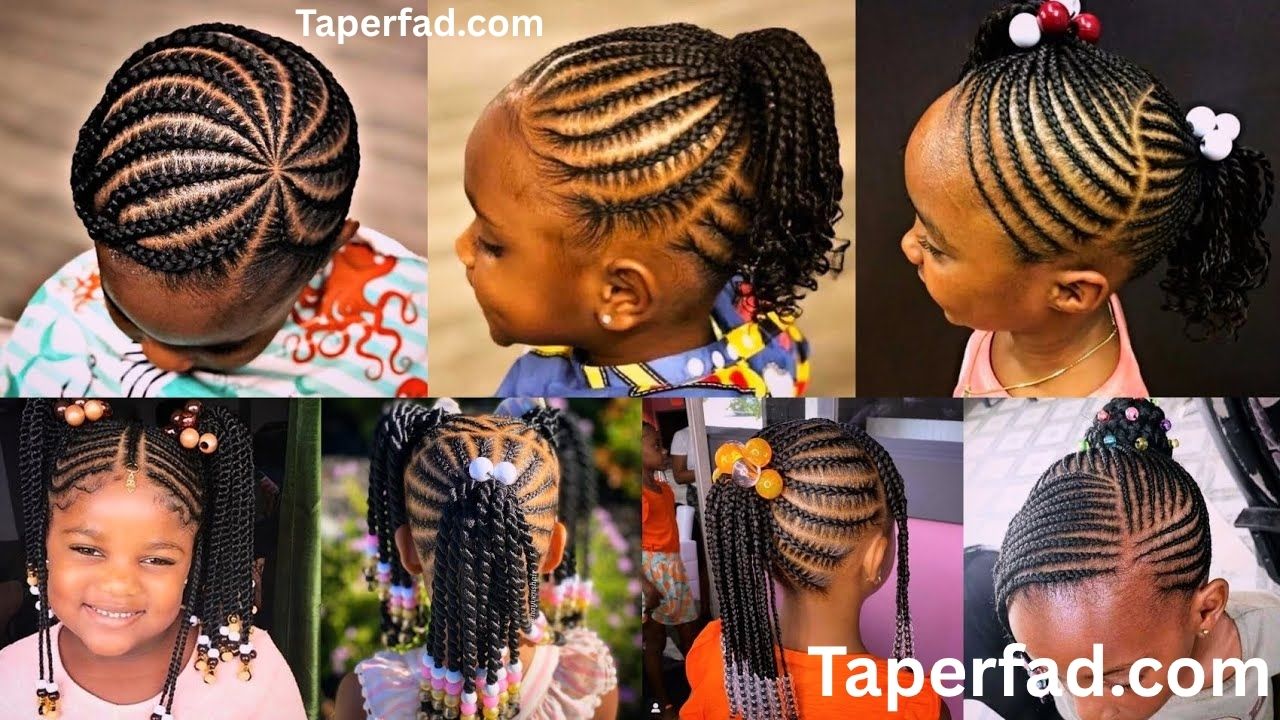
Little Black Girls’ Hairstyles Braids
I still remember the absolute dread of Sunday evening hair routines when I was a kid. Sitting perfectly still between someone’s knees, holding my ear down so it wouldn’t get snipped by a comb, and wincing every time a braid was pulled just a little too tight. Now that I am the one managing wash days and styling, my main goal is completely different: I want doing hair to be a painless, bonding experience.
If you are constantly searching for the best little black girls’ hairstyles and braids, you already know the weekly struggle. You need a style that protects their beautiful natural curls, looks adorable for the school week, and—most importantly—doesn’t take eight hours to install or cause them physical pain.
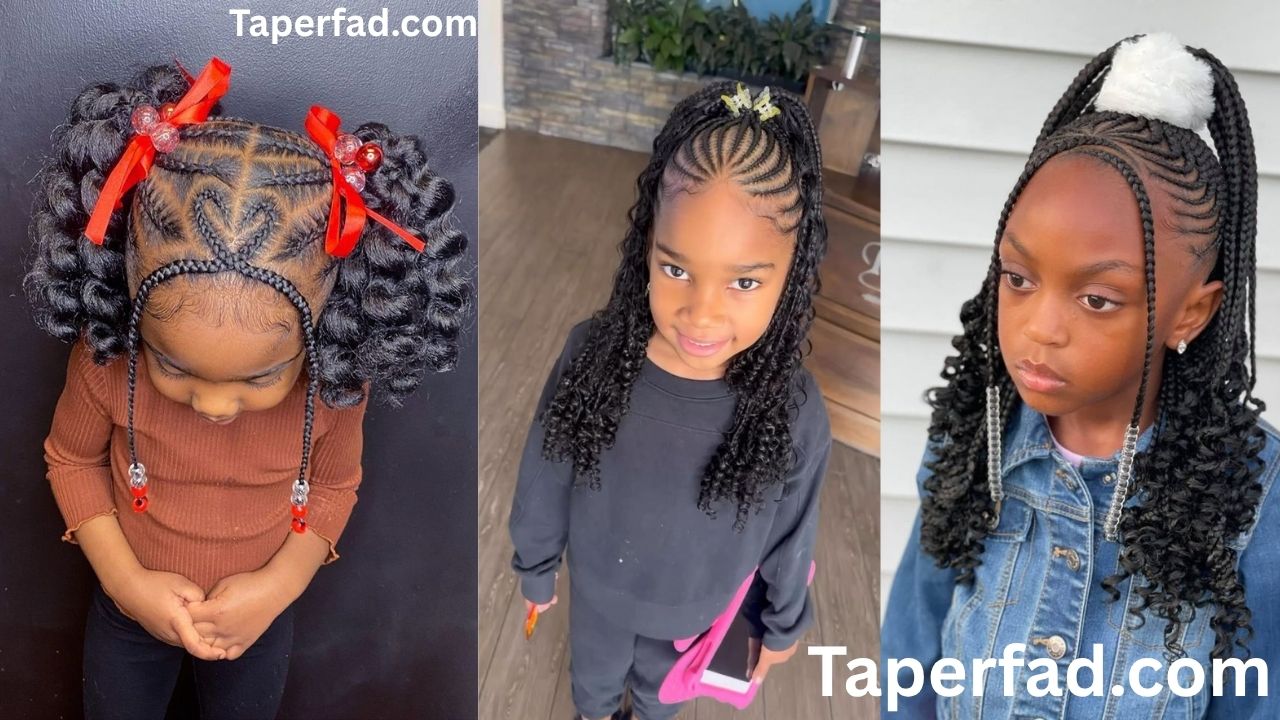
The internet is flooded with complex, waist-length, salon-level braided styles that look stunning on Instagram but are entirely unrealistic for a squirmy seven-year-old who just wants to go play Roblox.
In this guide, I am cutting through the unrealistic expectations. Based on actual testing, a lot of patience, and plenty of trial and error, I am going to share the absolute best braided hairstyles for little black girls. We will cover styles that save your sanity on busy mornings, what techniques keep their edges healthy, and exactly what to avoid.
⚡ Quick Answer (For Fast Readers)
If you are running late for a hair appointment or need a quick style plan for Sunday night, here are the top go-to braided styles:
- Medium Knotless Box Braids: The absolute best for long-term wear. They are pain-free at the roots, extremely lightweight, and last up to 4-6 weeks.
- Classic Cornrows with Beads: The cultural staple. It keeps hair completely tucked away, looks incredibly cute, and allows kids to customize their look with colorful beads.
- Lemonade Braids (Side-Swept): Perfect for highly active kids or swimmers. The hair is braided securely to one side, staying out of the face entirely.
- Jumbo Natural Braided Pigtails: The ultimate emergency style. Uses zero extension hair, takes under an hour, and is perfect for extremely tender-headed toddlers.
The Top Braided Hairstyles for Black Girls Examined
Let’s break down exactly what makes these styles work, how they feel to actually install, and whether they belong in your child’s regular hair rotation.
1. Medium Knotless Box Braids
Short Explanation: Traditional box braids use a tight knot at the root to secure the synthetic extension hair to the scalp. Knotless braids completely eliminate this. You start braiding with the child’s natural hair, and the extension hair is gradually “fed in” as you braid down. This creates a flat, seamless, and completely painless root.
My Personal Experience: I tested knotless braids on my niece right before her summer camp, and it was a complete game-changer. With traditional braids, she used to complain about “braid headaches” and couldn’t sleep properly for the first two nights. In my experience, switching to the knotless method eliminated the tears. The moment I finished the last braid, she could immediately pull her hair up into a high ponytail without wincing. It took me about four hours to do medium-sized parts, but the peace of mind knowing she wasn’t in pain was worth every single minute.
Pros & Cons:
- Pros: Zero root tension; protects natural hair for over a month; extremely lightweight; highly versatile for daily styling.
- Cons: Takes a long time to install (3-5 hours); can be expensive if you go to a professional braider.
Who it is best for: Active girls who play sports or swim, and kids who have the patience to sit with a tablet while you braid.
2. Classic Cornrows with Beads
Short Explanation: Hair is braided flat against the scalp in straight lines or intricate, curved patterns, ending in hanging plaits. Clear, wooden, or colorful plastic beads are then threaded onto the ends and secured with a small rubber band.
My Personal Experience: I absolutely love the nostalgia of this style. I tested several different bead threaders over the years (do yourself a favor and buy the flexible plastic loop threaders, not the hard plastic ones) to speed up the process. In my experience, letting the girls pick out their own bead color combinations makes them actually excited to get their hair done. However, I learned the hard way not to stack too many beads on one braid, or the sheer weight will pull uncomfortably at their hairline during recess. Keep it to 3 or 4 beads maximum per braid.
Pros & Cons:
- Pros: Keeps hair completely out of the face; lasts 2-3 weeks; highly customizable; deeply rooted in black hair culture.
- Cons: Requires decent parting and braiding skills; sleeping on heavy plastic beads can be uncomfortable if not wrapped properly in a bonnet.
Who it is best for: Toddlers and elementary school girls who love accessories, and parents looking for a neat, classic school style that won’t frizz up easily.
3. Lemonade Braids (Side-Swept Cornrows)
Short Explanation: Inspired by Beyoncé’s iconic album look, these are small to medium cornrows braided closely to the scalp, sweeping entirely toward one side of the head, cascading over one shoulder.
My Personal Experience: I tested these right before a family beach vacation, and they were an absolute lifesaver. Because the hair is already directed to one side, you don’t have to worry about styling it every morning. They look incredibly trendy, which makes older girls feel very stylish. My only warning here is regarding the edges. In my experience, braiders often pull the opposite side of the head too tightly to get the hair to reach across. You must ensure whoever is braiding leaves the delicate baby hairs out of the grip.
Pros & Cons:
- Pros: Very trendy and stylish; excellent for swimming and high-impact sports; zero daily styling required.
- Cons: Can cause tension on one side of the hairline if pulled too tightly; harder to put into a standard ponytail.
Who it is best for: Pre-teens and highly active kids who want an “older” aesthetic without compromising on the protective benefits of braids.
4. Jumbo Natural Braided Pigtails (No Extensions)
Short Explanation: Instead of using synthetic hair, you heavily moisturize the child’s natural hair, part it into large, chunky sections (usually 4 to 6 across the head), and braid them down into simple pigtails or twists.
My Personal Experience: Look, we all have those Sundays where we are completely exhausted and just don’t have the energy for complex parting. In my experience, jumbo natural braids are the greatest emergency hairstyle ever invented. I tested a routine where I use a good leave-in conditioner and a thick styling cream, and I can knock out a full head of chunky braids in about 45 minutes. They look juicy, thick, and healthy. Once they start looking a little fuzzy after a week, you can unravel them for a gorgeous curly “braid out.”
Pros & Cons:
- Pros: Takes under an hour; highly moisturizing for the natural curl pattern; absolutely zero pain; no synthetic hair required.
- Cons: Does not last as long as styles with extensions (usually 1-2 weeks maximum); shrinks up significantly in humidity.
Who it is best for: Extremely tender-headed children, squirmy toddlers who cannot sit still for long, and tired parents who need a quick style that still looks intentional.
Comparison Table: Which Braid Style Fits Your Schedule?
To make your decision easier for the upcoming week, here is a quick breakdown of how these popular little black girls’ hairstyles,s braids, stack up against your time and energy.
| Hairstyle | Install Time | How Long Does It Last | Tension Level | Extension Hair Needed? |
|---|---|---|---|---|
| Knotless Box Braids | 3 – 5 Hours | 4 – 6 Weeks | Very Low | Yes |
| Cornrows + Beads | 1.5 – 2.5 Hours | 2 – 3 Weeks | Medium | Optional |
| Lemonade Braids | 2 – 4 Hours | 3 – 4 Weeks | Medium to High | Yes |
| Jumbo Natural Braids | 45 Mins – 1 Hour | 1 – 2 Weeks | Zero | No |
⚠️ Special Section: The “Adult Style” Trap That Causes Damage
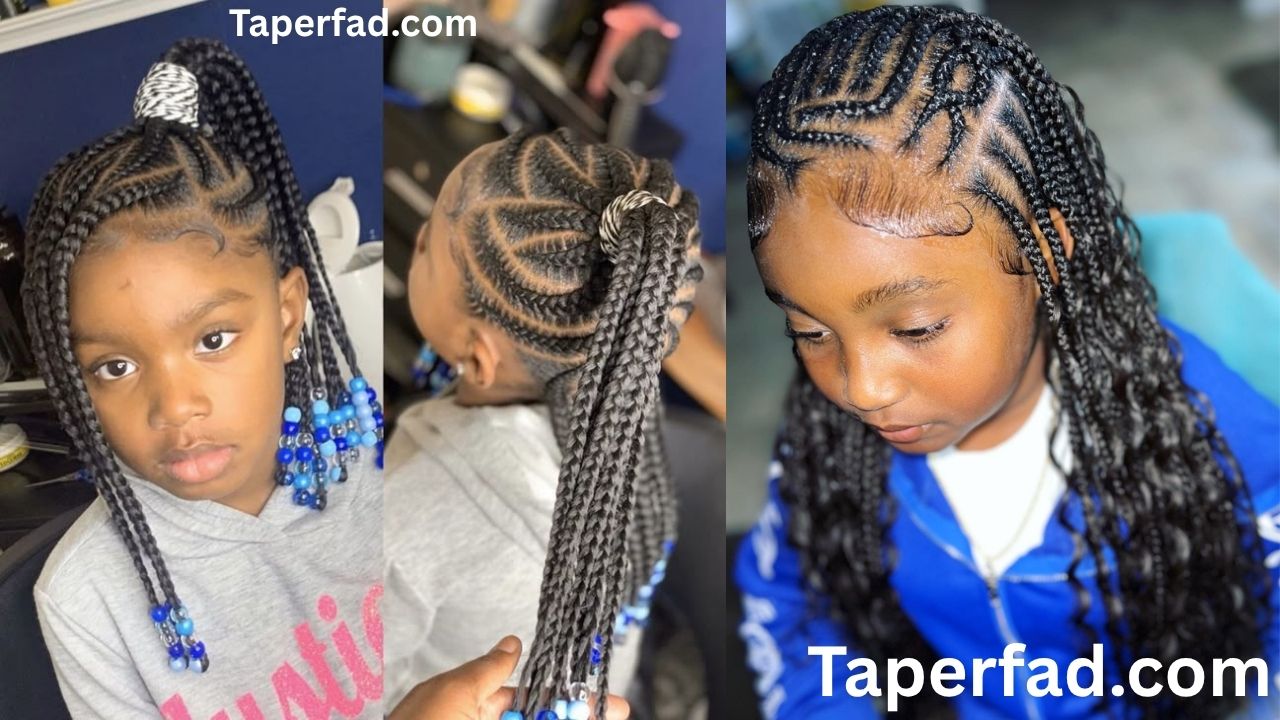
Just like video games that look great in trailers but run terribly on your console, there is a massive trap in the natural hair community you need to avoid: Putting heavy, adult-level braided styles on small children.
The Heavy Extension Warning: I see this constantly on social media. A five-year-old girl with waist-length, heavy box braids or thick faux locs. These styles look beautiful on adults, but putting them on a young girl is a critical mistake. A child’s hair follicles are still developing and are extremely delicate. In my experience rescuing damaged hair, the sheer weight of waist-length synthetic extensions pulls heavily on a child’s hairline.
When they run, jump, or play on the monkey bars, the weight swings and causes traction alopecia (permanent hair loss around the edges).
If you are researching little black girls’ hairstyles, stick to age-appropriate lengths. If you use extension hair, cut it so it falls no longer than their shoulder blades. Keep it lightweight, keep it loose, and save the dramatic waist-length looks for when they are in high school.
Category-Based Recommendations: What to Choose Today
Because every child’s hair texture, patience level, and lifestyle is different, here is exactly what you should choose based on your specific situation:
Best for Toddlers (Ages 1 to 4)
Natural Cornrows or Chunky Twists. Do not use extension hair on toddlers if you can avoid it. Their scalps are simply too sensitive. Stick to braiding their natural hair into 4 to 6 chunky cornrows straight back, or doing simple two-strand twists. It takes minimal time, causes zero tension, and lets their natural curl pattern thrive without heavy pulling.
Best for Elementary School (Ages 5 to 9)
Cornrows with Beads or Medium Knotless Braid.s This is the age where kids start wanting to express themselves. Cornrows with their favorite colored beads are a massive hit in the classroom. Alternatively, if you want a style that lasts all month so you don’t have to wake up early to do hair before the school bus arrives, shoulder-length medium knotless braids are the ultimate time-saver.
Best for Swimming and Summer Camp
Stitch Braids straight ba.ck If your child is going to be in and out of the pool all summer, you need hair that can be easily washed and dried without unraveling. Stitch braids (a very neat, feed-in cornrow technique) going straight back allow you to easily access the scalp to wash away chlorine and sweat. They dry relatively quickly and stay incredibly flat under swim caps.
Frequently Asked Questions (FAQs)
Q: How long should I leave braids in a child’s hair? A: Never longer than 4 to 6 weeks. Leaving braids in longer than that causes the child’s natural hair to lock and mat at the root, which leads to massive, painful breakage when you finally try to take them out.
Q: How do I prep my child’s hair before installing braids? A: Never braid dirty or dry hair. Always start with a clarifying shampoo, followed by a deep conditioner. In my experience, gently blow-drying the hair on a “cool” or “warm” (never hot) setting while using a heat protectant stretches the curls out safely. This makes the parting process smooth and significantly reduces the painful pulling during braiding.
Q: How do I keep my child’s braids from getting frizzy while they sleep? A: A satin or silk bonnet is non-negotiable. Cotton pillowcases suck the moisture right out of black hair and cause severe friction that leads to frizz and breakage. If your child refuses to keep a bonnet on their head at night, invest in a silk pillowcase instead.
Q: What should I use to moisturize the scalp while the braids are in? A: Keep it light. Heavy greases will clog their pores and cause build-up. Use a lightweight leave-in conditioning spray and lightly oil the scalp with jojoba, sweet almond, or tea tree oil once or twice a week to prevent itchiness.
Final Verdict: Keep It Simple and Pain-Free
Whenever parents ask me for the “secret” to perfecting little girls’ hairstyles,yles braids, my advice is always the same: Prioritize the health of the scalp and the happiness of the child over the complexity of the style.
It is so easy to get caught up trying to recreate intricate, 20-part braided styles we see online. But the truth is, a child’s natural hair thrives when it is left alone, heavily moisturized, and kept in low-tension protective styles.
My final recommendation? Master the Knotless Braid and the Classic Cornrow. If you have those two styles in your toolkit, you will be prepared for both lazy weekends and busy back-to-school months. Make hair day a fun experience—put on their favorite movie, give them some snacks, use plenty of detangling slip, and be gentle. Beautiful hair isn’t just about how the braid looks when it’s done; it’s about making sure your child learns to love and embrace their natural texture in the process.

Moheen iftikhar